28 January, Berlin
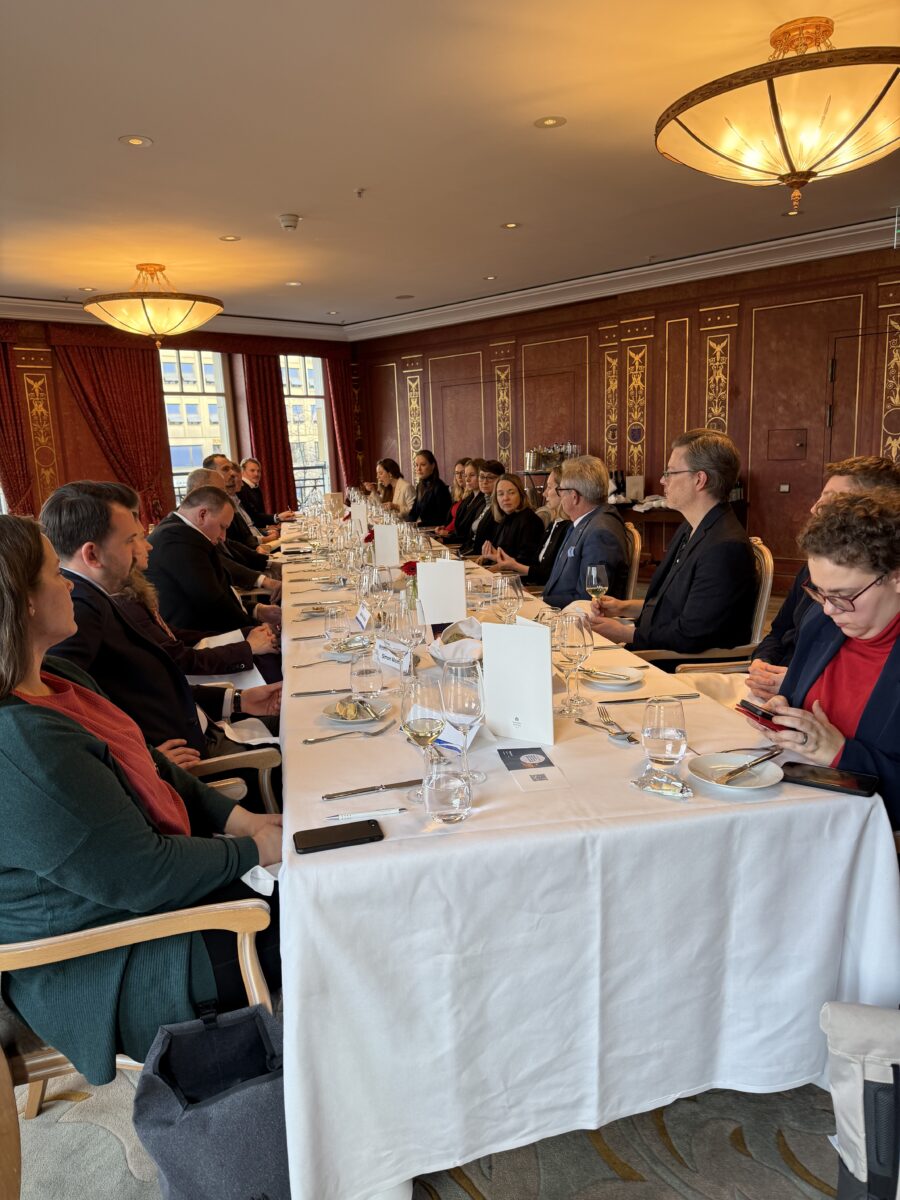
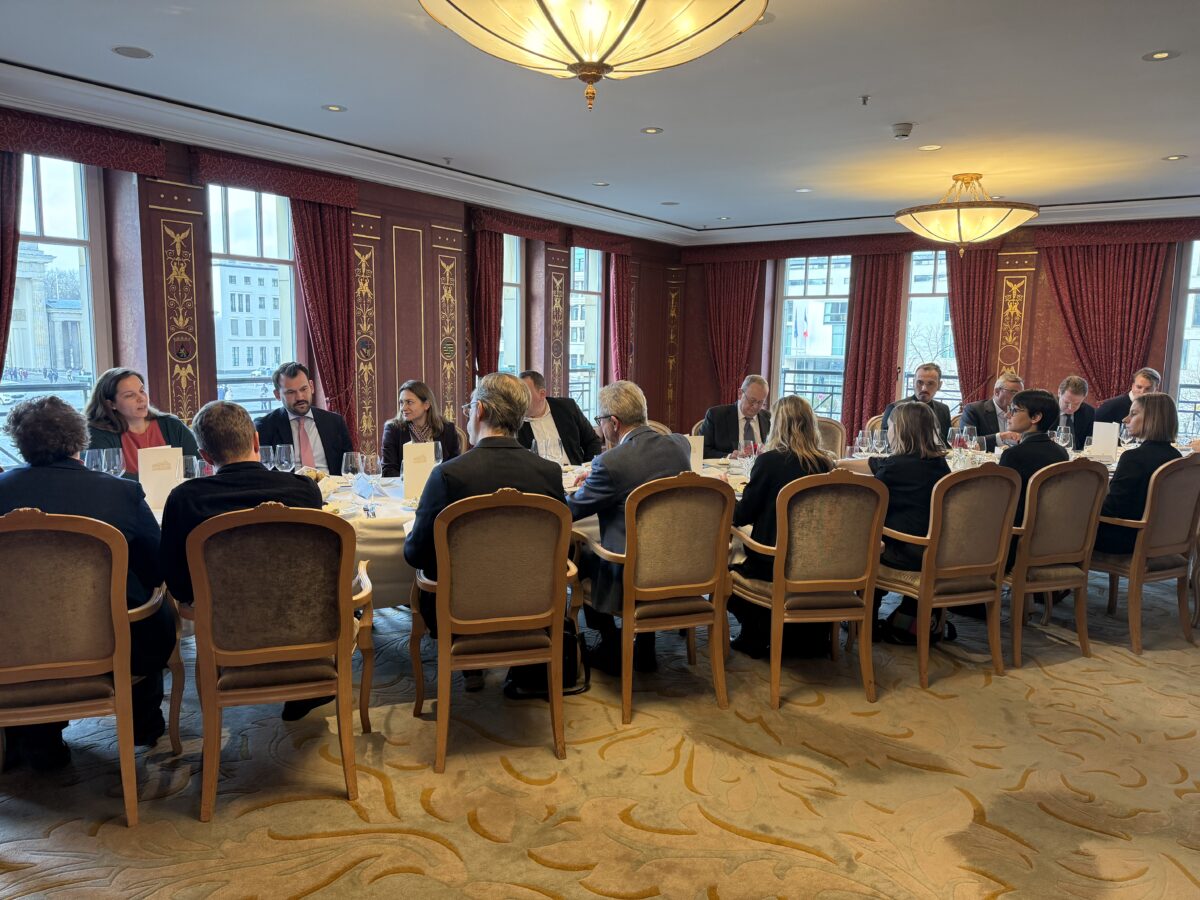
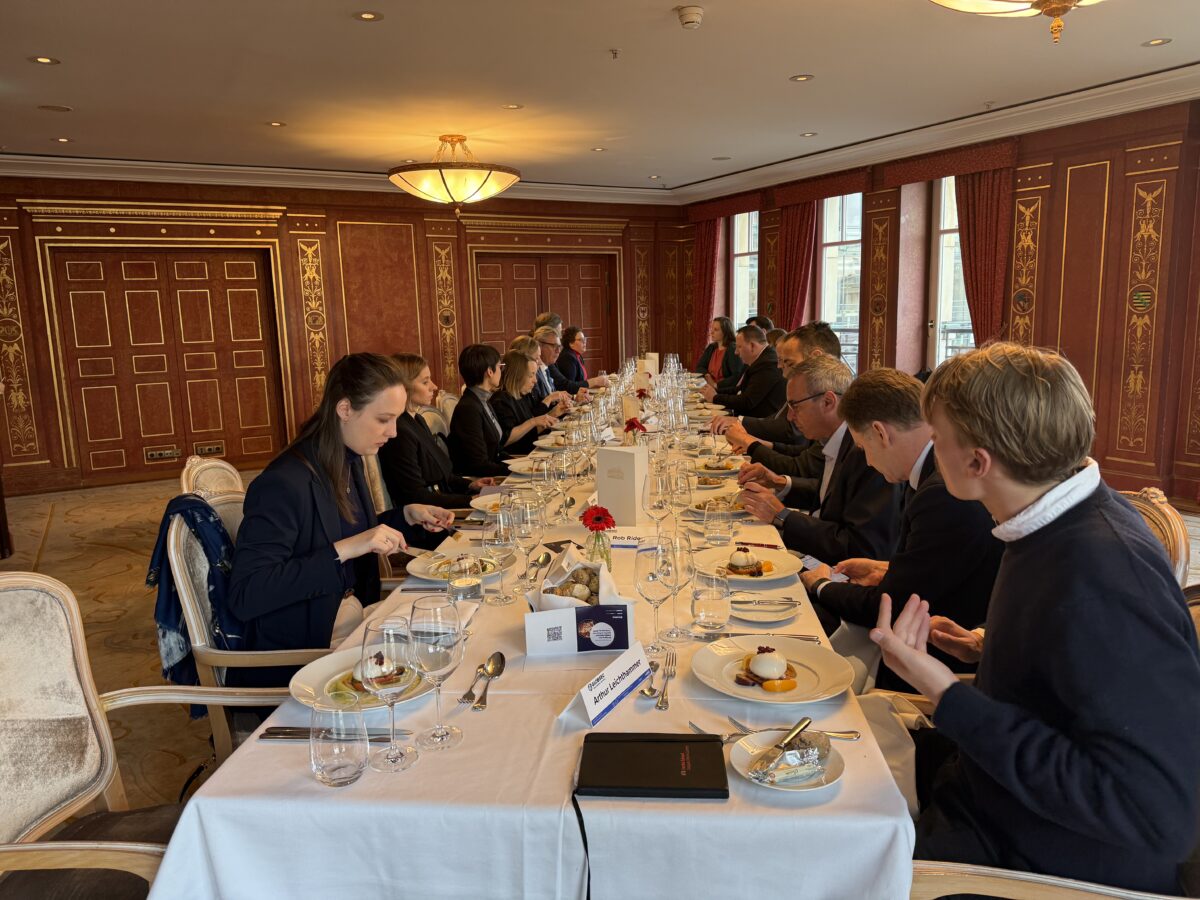
The GLOBSEC GeoTech Center convened a closed-door lunch roundtable in Berlin to examine the future of Europe’s critical raw materials (CRM) strategy and the implications for industrial competitiveness, energy transition, and economic security. Bringing together senior policymakers, industry leaders, and experts, the discussion focused on how Europe can address growing supply vulnerabilities and close the projected gap between demand and secure access to critical resources.
As global supply chains become increasingly geopoliticized, critical raw materials have emerged as a key source of strategic leverage. Participants noted that Europe’s significant reliance on external suppliers—particularly China—creates vulnerabilities for industries central to Europe’s economic future, including automotive manufacturing, battery and EV production, advanced electronics, defense, and renewable energy technologies. Ensuring reliable access to inputs such as lithium, graphite, nickel, manganese, and tungsten is therefore becoming an essential component of Europe’s broader strategy for technological and industrial resilience.
The discussion also reflected on the recent adoption of European initiatives aimed at strengthening supply chain security, including new policy frameworks designed to diversify sourcing and strengthen domestic capabilities. While these initiatives represent an important step forward, participants emphasized that Europe must move faster in translating policy ambitions into concrete industrial outcomes, particularly as global demand for critical materials continues to accelerate.
Drawing on insights from GLOBSEC’s research on projected CRM supply–demand gaps by 2030, participants examined a range of policy and industrial options for strengthening Europe’s resilience across the entire value chain. These include expanding responsible supply sources, accelerating recycling and circular-economy solutions, improving material efficiency, and investing in technological innovation and substitution where possible.
A central theme of the discussion was the importance of closer cooperation between governments, industry, and international partners in securing stable and diversified supply chains. Germany’s industrial base was highlighted as particularly significant in this context, given its central role in European manufacturing and its heavy dependence on critical raw material inputs.
The roundtable underscored that securing access to critical raw materials will be essential not only for the green transition but also for Europe’s long-term industrial competitiveness and strategic autonomy.